Bentz Pushes for Local Voice in Water Decisions
New federal bill aims to increase transparency and give farmers, contractors, and rural communities a stronger role in Endangered Species Act consultations
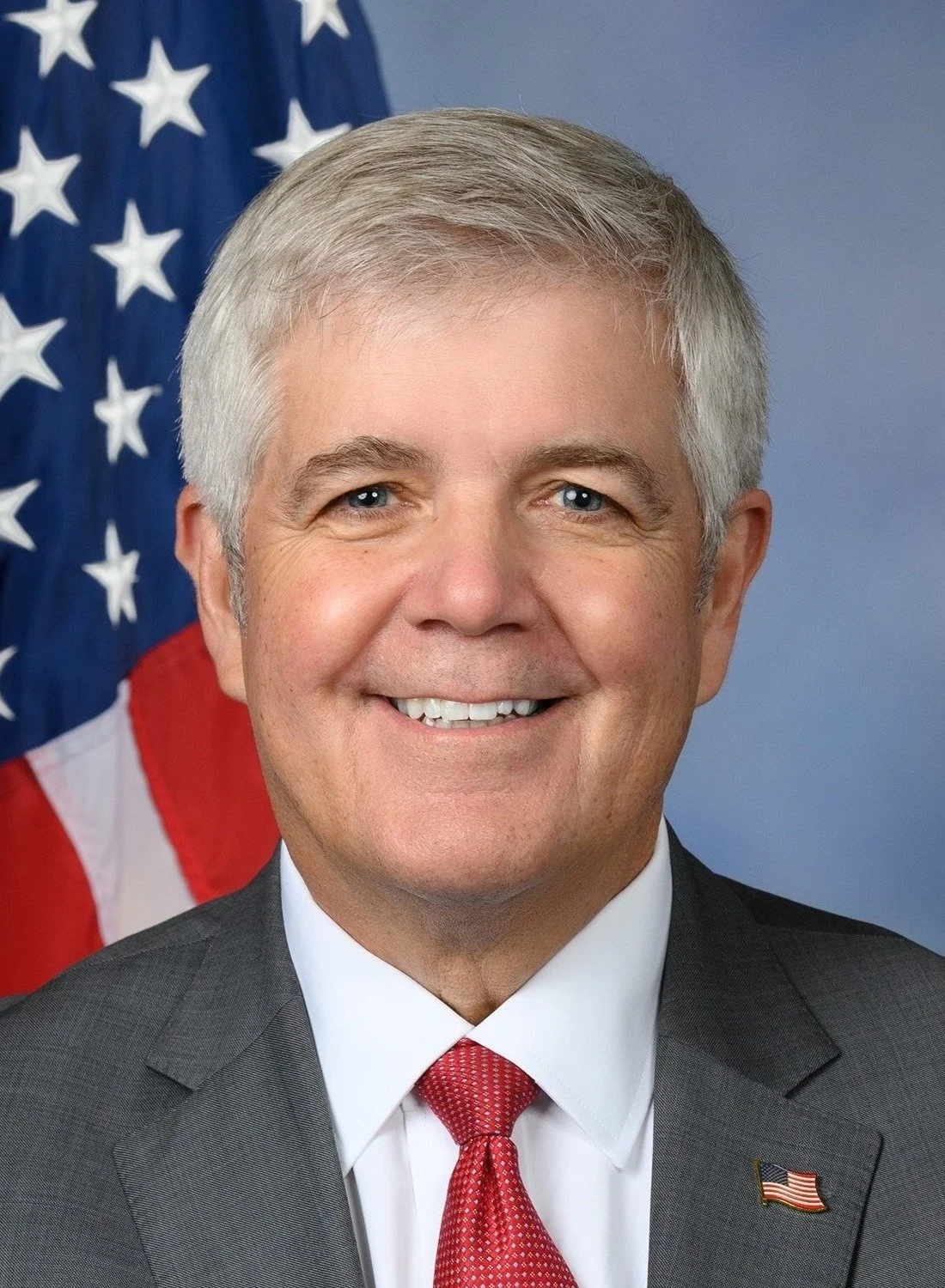
WASHINGTON, D.C. — Cliff Bentz has introduced new legislation aimed at giving local water users a greater voice in federal decision-making processes that impact water access across the West.
The proposed bill, titled the Federal Water Projects Consultation Improvement Act of 2026, seeks to improve transparency and expand participation during consultations conducted under the Endangered Species Act (ESA). These consultations often play a critical role in determining water allocations for agriculture, municipalities, and rural communities.
In a statement, Bentz emphasized the importance of local input in decisions that directly affect water supply.
“Water is the lifeblood of the West, and the people who rely on it deserve a voice in decisions that affect it,” Bentz said. “Too often, those decisions are made without adequate input from local contractors, irrigation districts, and the communities that depend on these projects.”

Supporters of the legislation say it addresses longstanding concerns about limited stakeholder involvement in ESA consultations.
Family Farm Alliance Executive Director Samantha Barncastle said the bill would recognize water users as key partners in managing limited resources.
“Water contractors aren't bystanders—we're essential partners,” Barncastle said. “This legislation ensures those most affected by agency decisions have a seat at the table.”
The Klamath Water Users Association also voiced support, calling the proposal a “common-sense” step toward improving fairness and transparency in federal water management.
Similarly, Oregon Water Resources Congress Executive Director April Snell said the measure would help ensure local expertise is included in federal decisions that impact water delivery and rural economies.
If passed, the legislation would require federal agencies to:
Provide ongoing opportunities for contractors to engage during ESA consultations
Increase transparency around biological assessments and opinions
Clearly explain the scientific and legal basis for decisions that could reduce water deliveries
Allow affected entities to review and comment on draft biological opinions
Ensure meaningful participation when developing alternatives that impact water supply
The bill would apply to federal water projects managed by the Bureau of Reclamation, which oversees water infrastructure across much of the western United States.
Under current law, ESA consultations can result in significant reductions in water deliveries, often with limited input from local stakeholders. The proposed legislation aims to close that gap by requiring more consistent and transparent engagement throughout the process.
The bill has been referred to the House Committee on Natural Resources for further consideration.
Cover image: Upper Klamath Lake (Brian Gailey)



Recent News