In Photos: Wildflowers Return to the Klamath
Native plants are blooming across the former Iron Gate and Copco reservoir footprints as restoration work continues along the Klamath River.
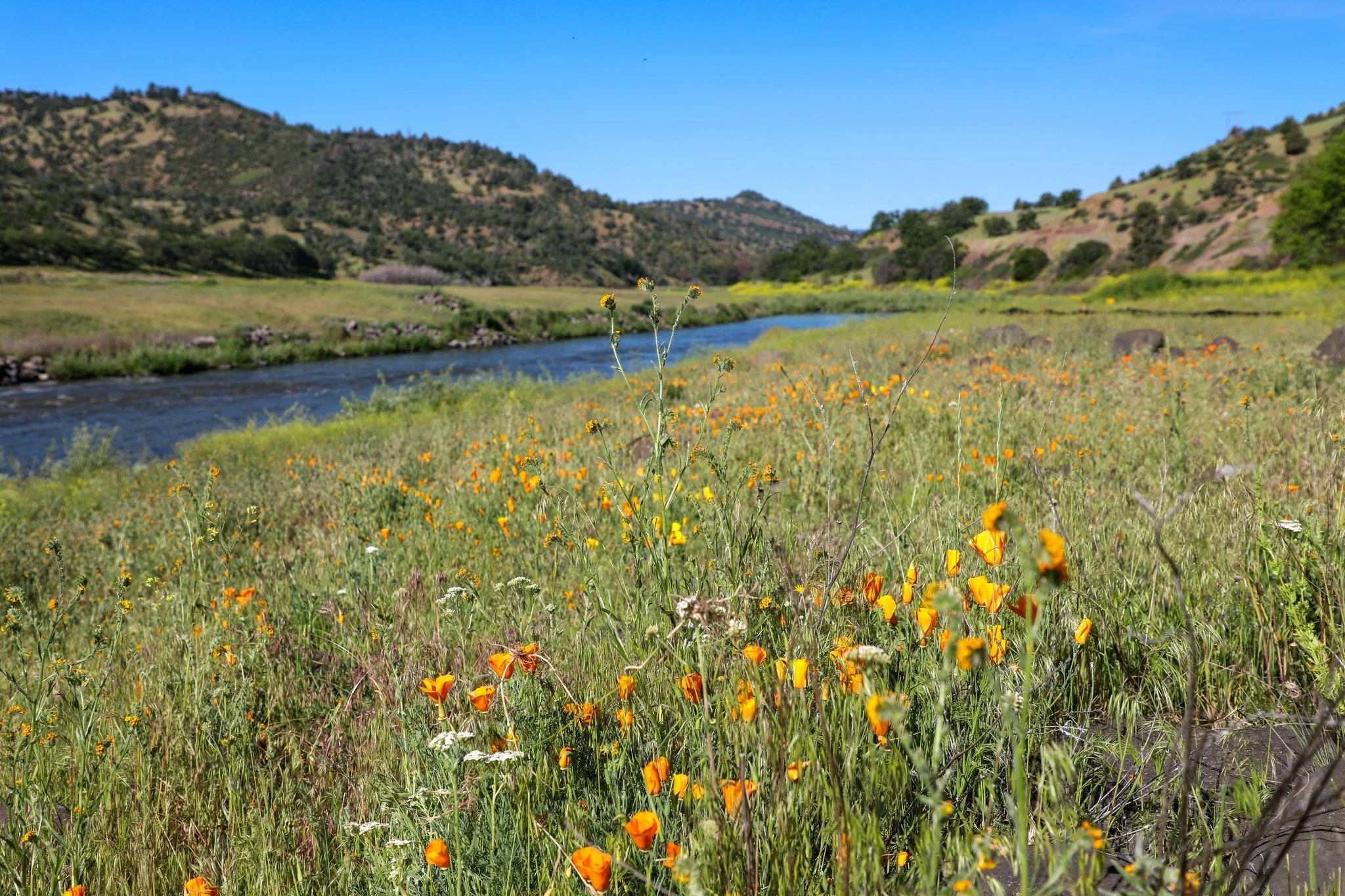
California poppies bloom along the Klamath River in the former footprint of the Iron Gate and Copco reservoirs, where native plants are returning following dam removal. Photo by the Yurok Tribe.
KLAMATH RIVER — In the footprint of former Klamath River dams, spring is covering newly exposed ground with color.
The Yurok Tribe recently shared a collection of photos showing an abundant wildflower bloom across the former Iron Gate and Copco reservoir areas, where land once covered by water is now filling with native plants, pollinators, wildlife and new signs of ecological recovery.
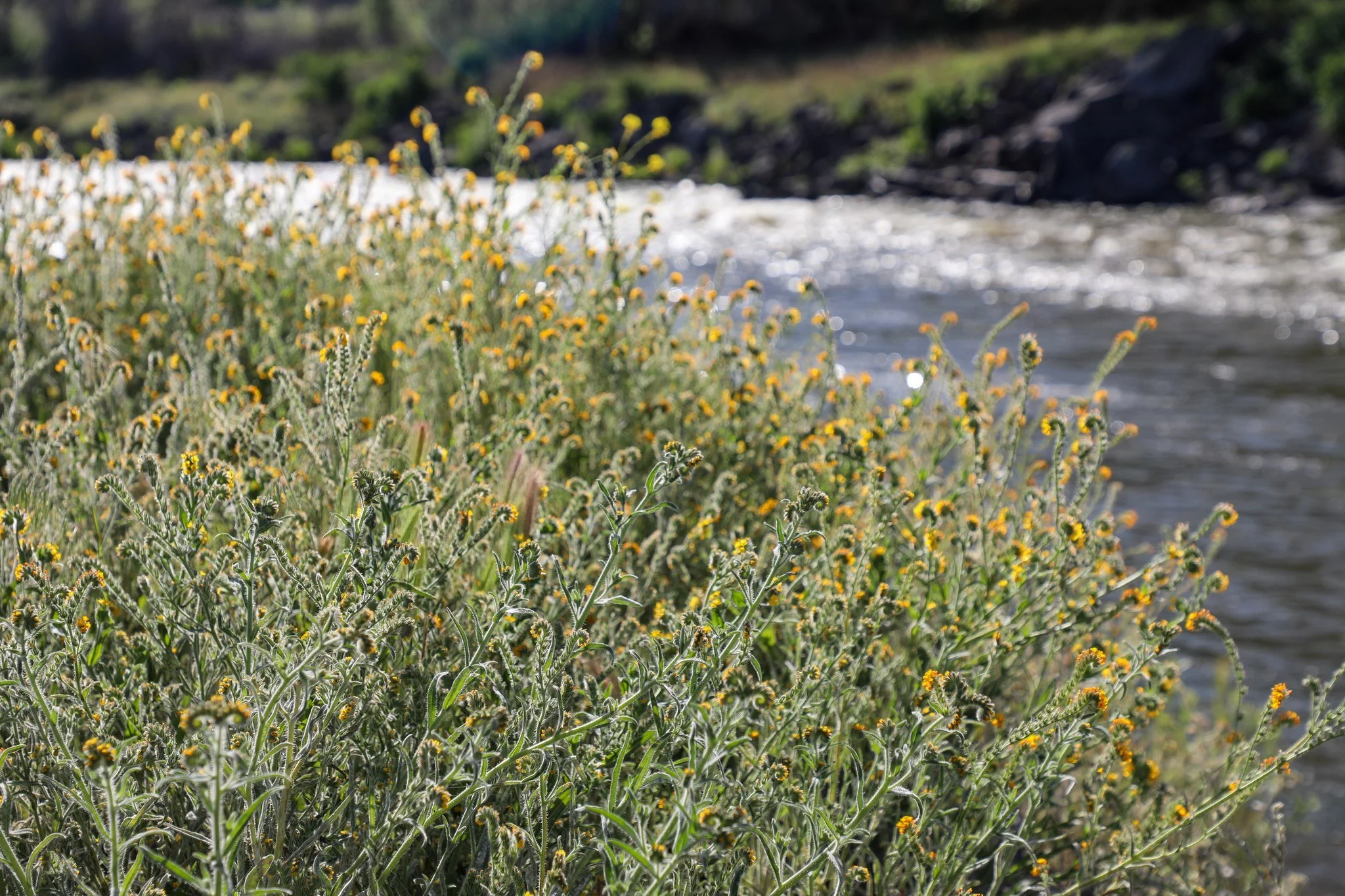
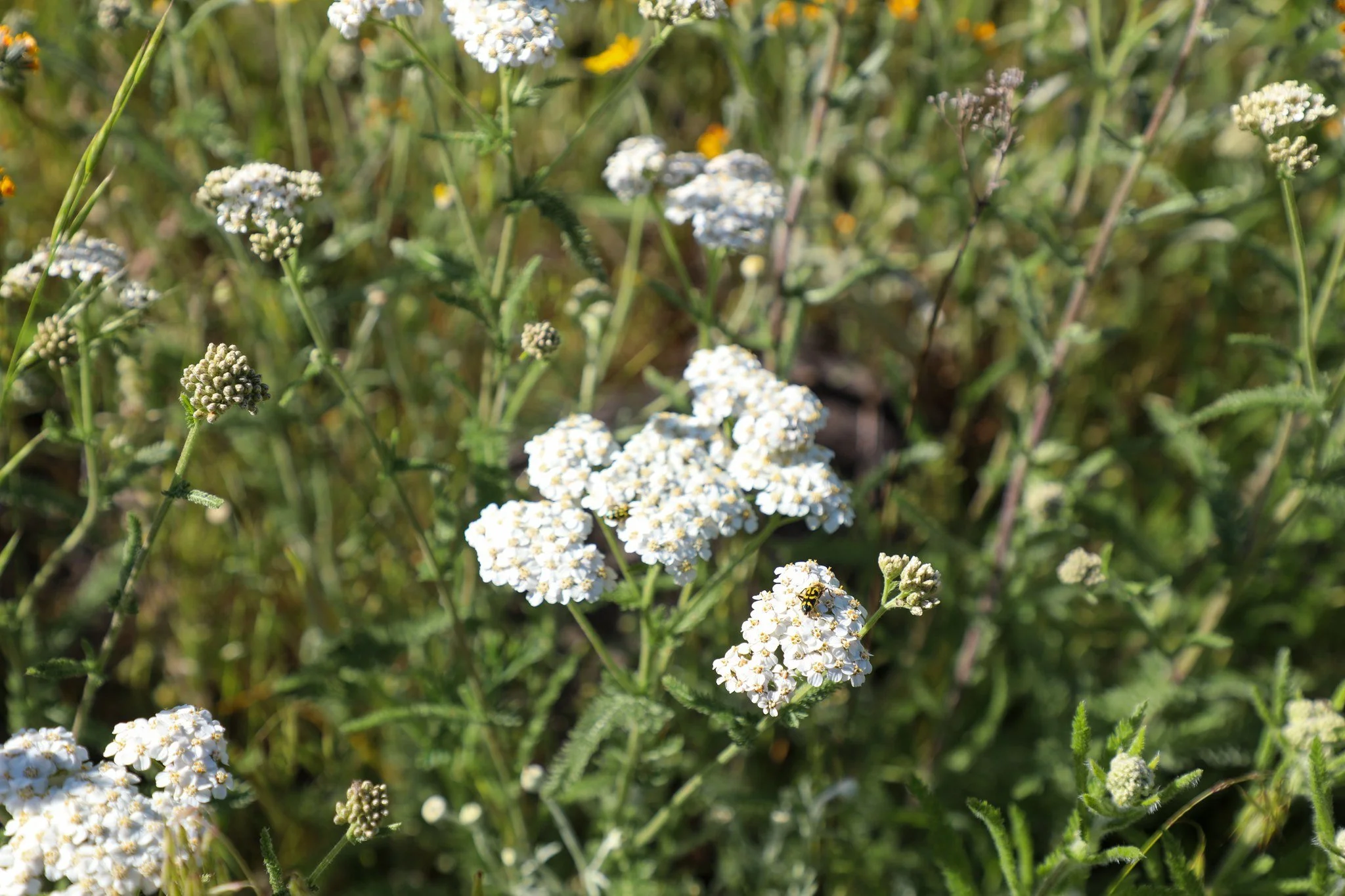
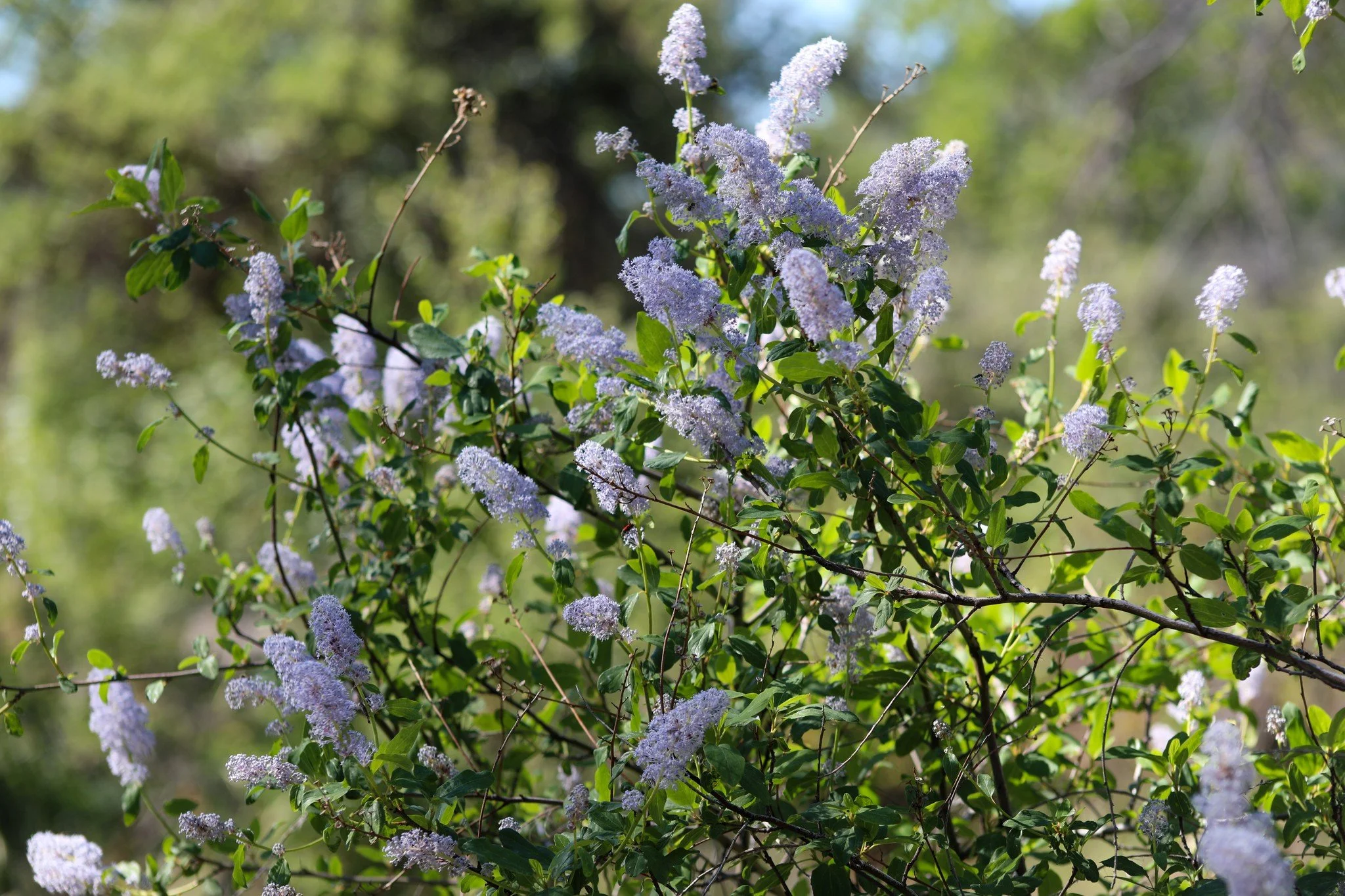
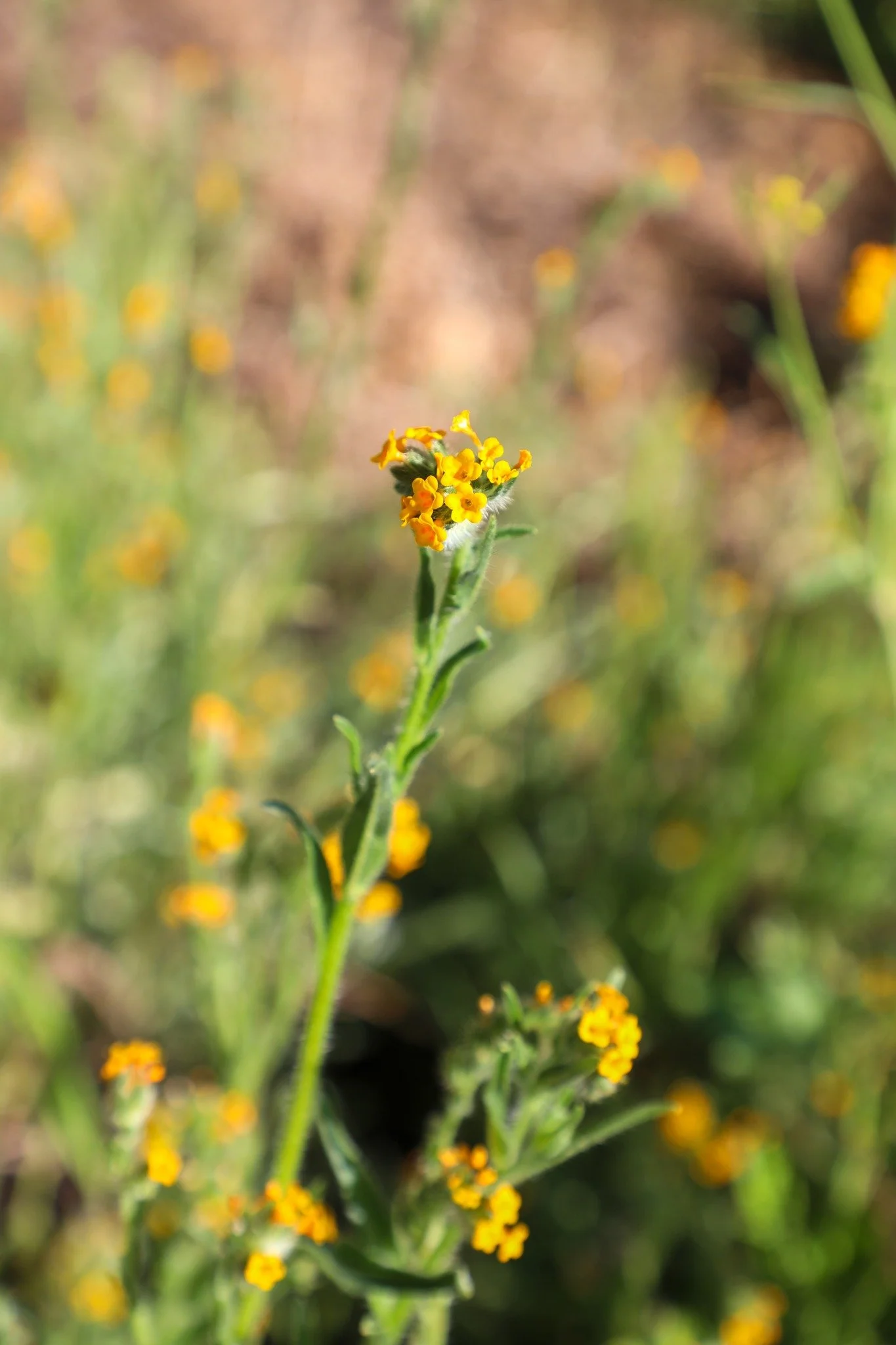
According to the Tribe, this year’s bloom is more prolific than in previous years, with swaths of gold, yellow and green spreading along the riverbanks. California poppies, yarrow and Menzies’ fiddleneck are among the most visible flowers, joined by Oregon sunshine, yellow and purple lupines and ceanothus.

Since the removal of four Klamath River dams in 2024, Yurok Tribe revegetation crews have planted millions of seeds across roughly 500 acres of former reservoir footprint. The project includes 43 native, drought-resistant flowering herbs, annual plants and grass species selected to help restore the river corridor.
Lupine above the Iron Gate reservoir footprint (Yurok Tribe)
Those plants do more than add color. Native vegetation helps hold soil in place, creates habitat, provides food for wildlife and attracts insects that feed young salmon and steelhead.
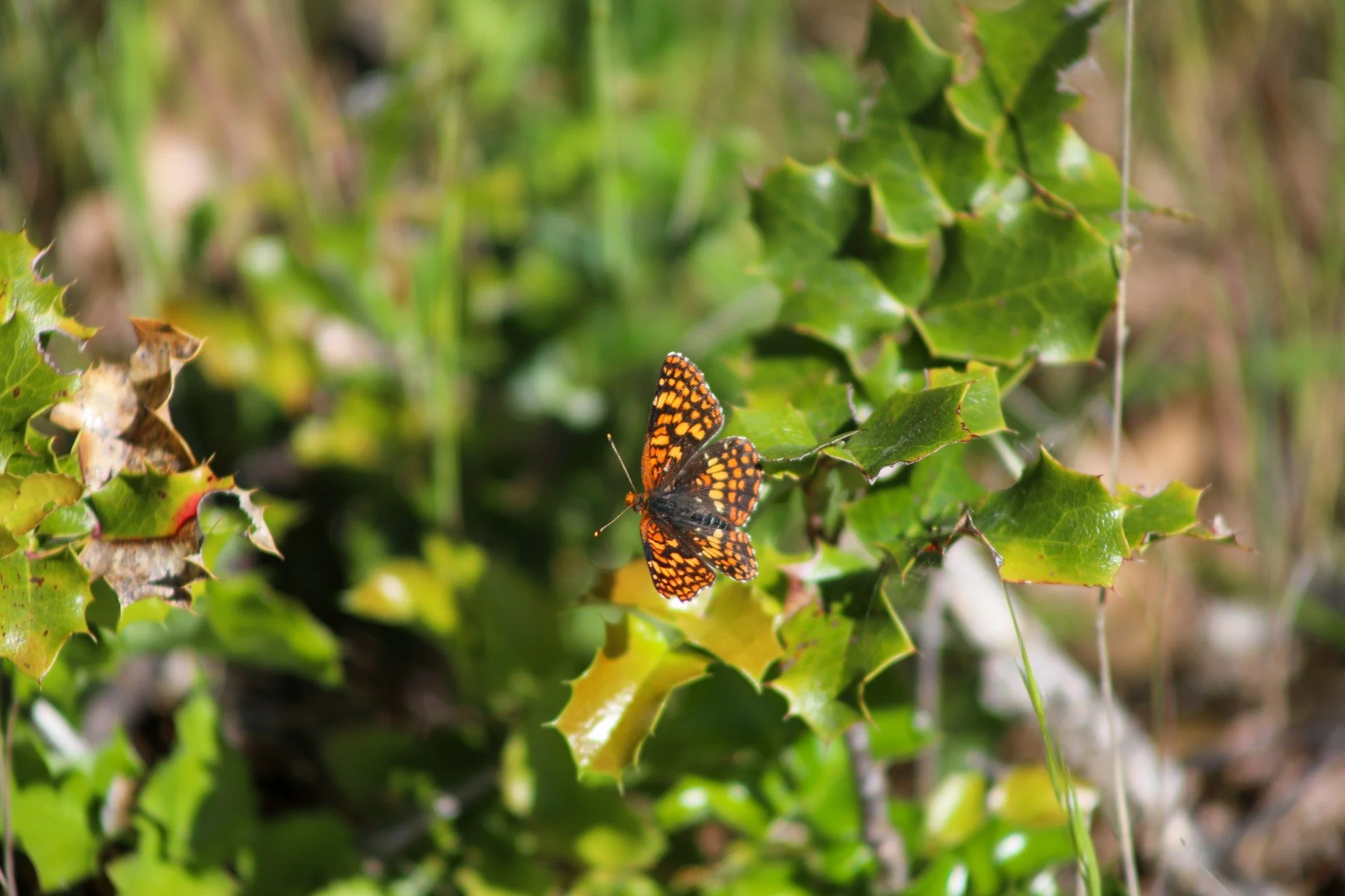
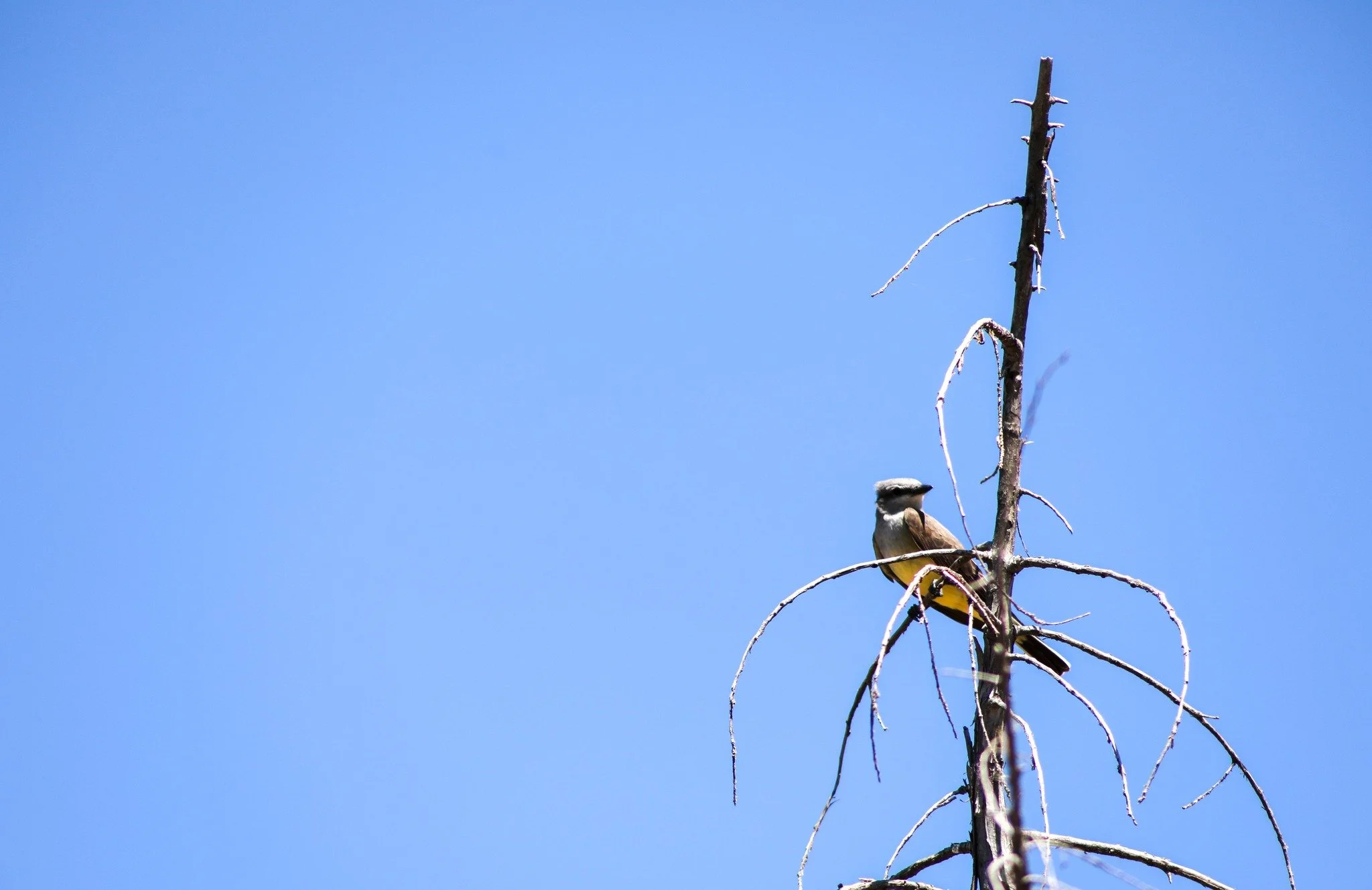
The former reservoir areas are also drawing birds, bees, butterflies and other wildlife. The Tribe reported species including killdeer, western kingbird, deer, otters, beavers, turtles and squirrels.
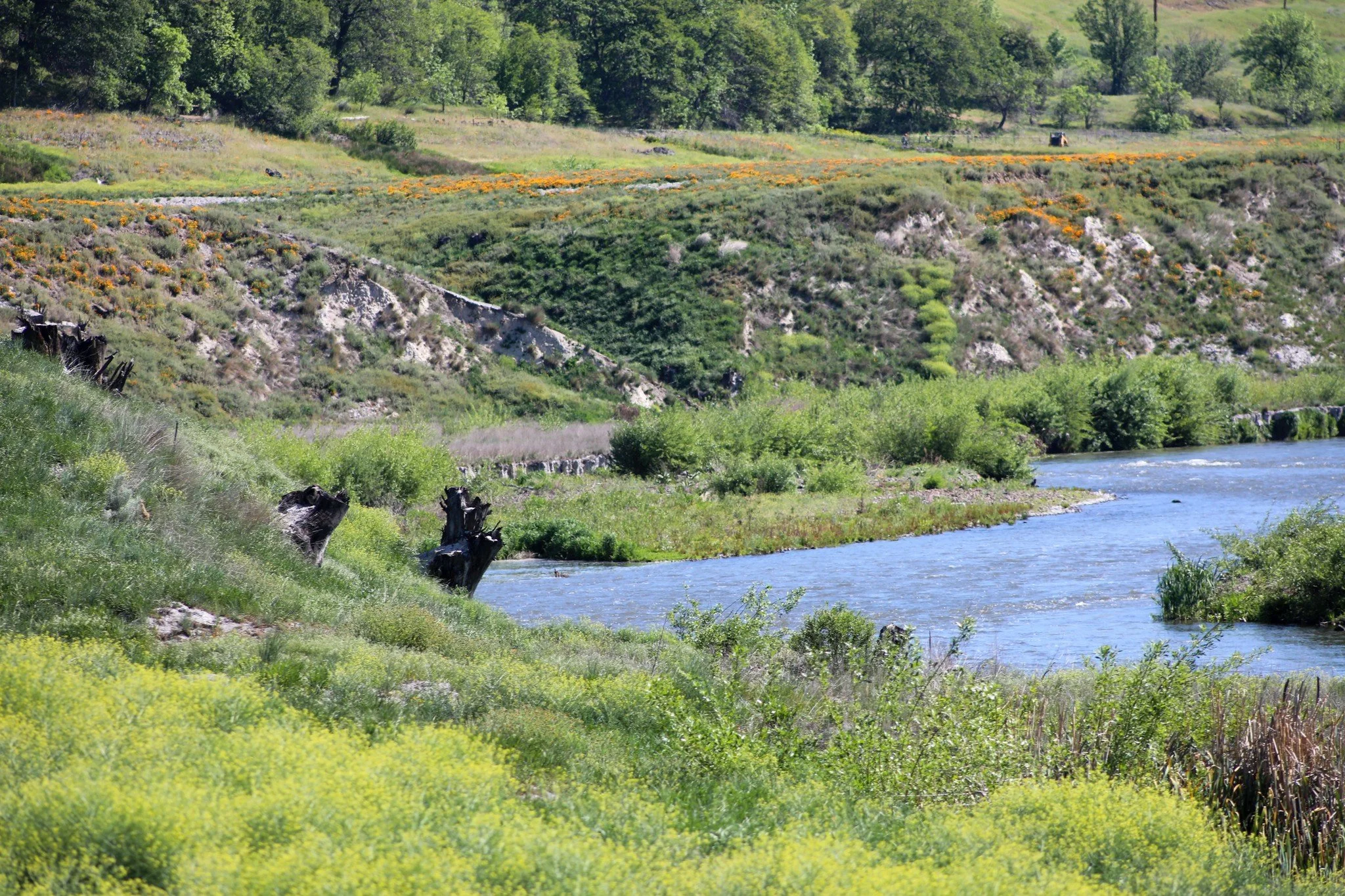
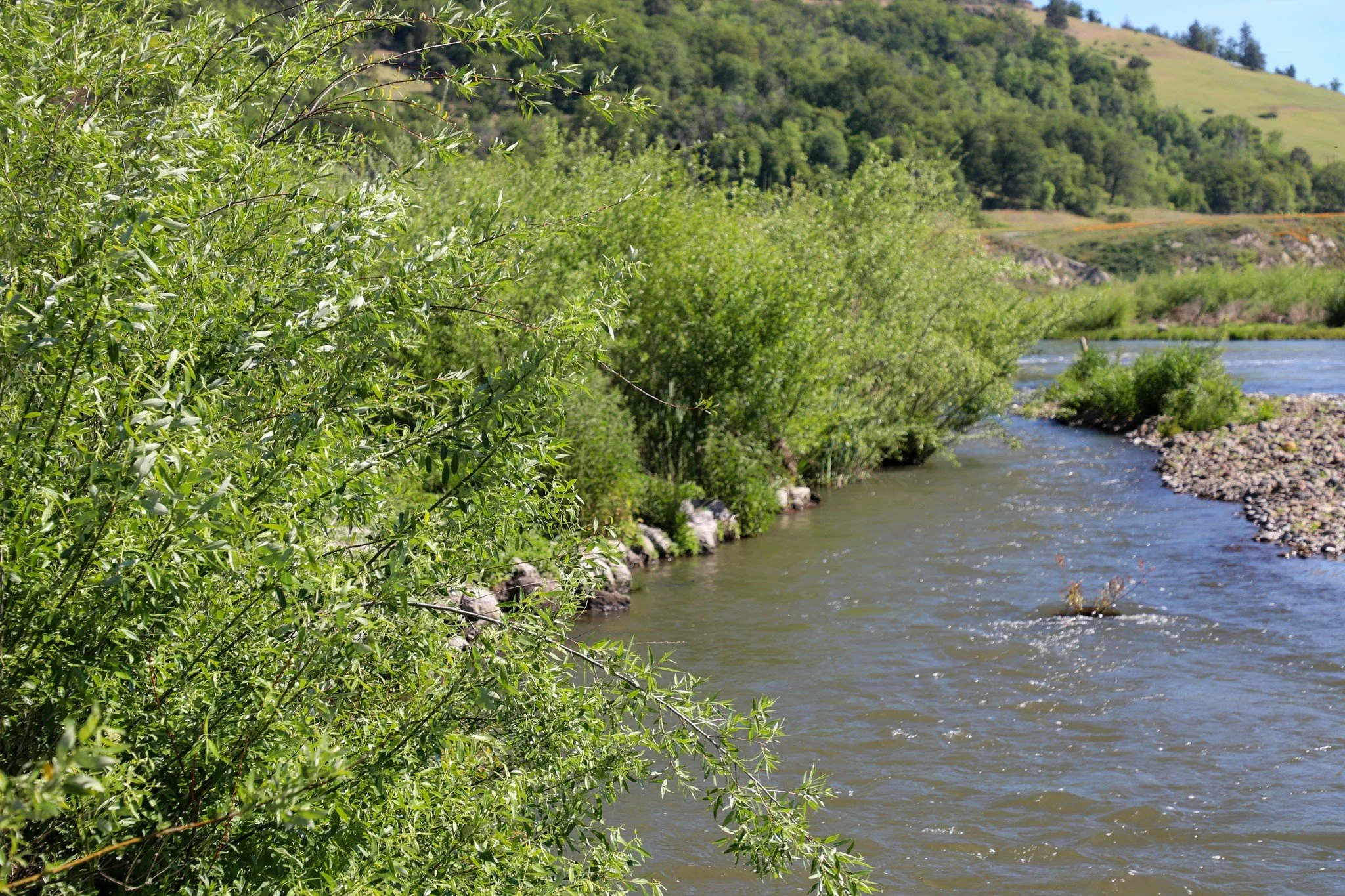
The Klamath River winds through newly exposed reservoir lands now dotted with native wildflowers and vegetation as restoration continues along the river corridor. Photo by Yurok Tribe.
Along the Klamath, volunteer willows and cottonwoods are also taking hold. In the river itself, young salmon are now migrating out from the second spawn above the former dams in more than a century.
The Yurok Tribe noted that long-term salmon recovery will take time and will continue to fluctuate with snowpack, river flows, ocean conditions and other factors. But dam removal has expanded habitat and increased the geographic and genetic diversity of salmon populations in the Klamath Basin.
For now, the photos tell the story: flowers blooming where reservoirs once stood, native plants returning and the Klamath River moving through another spring in a changed landscape.
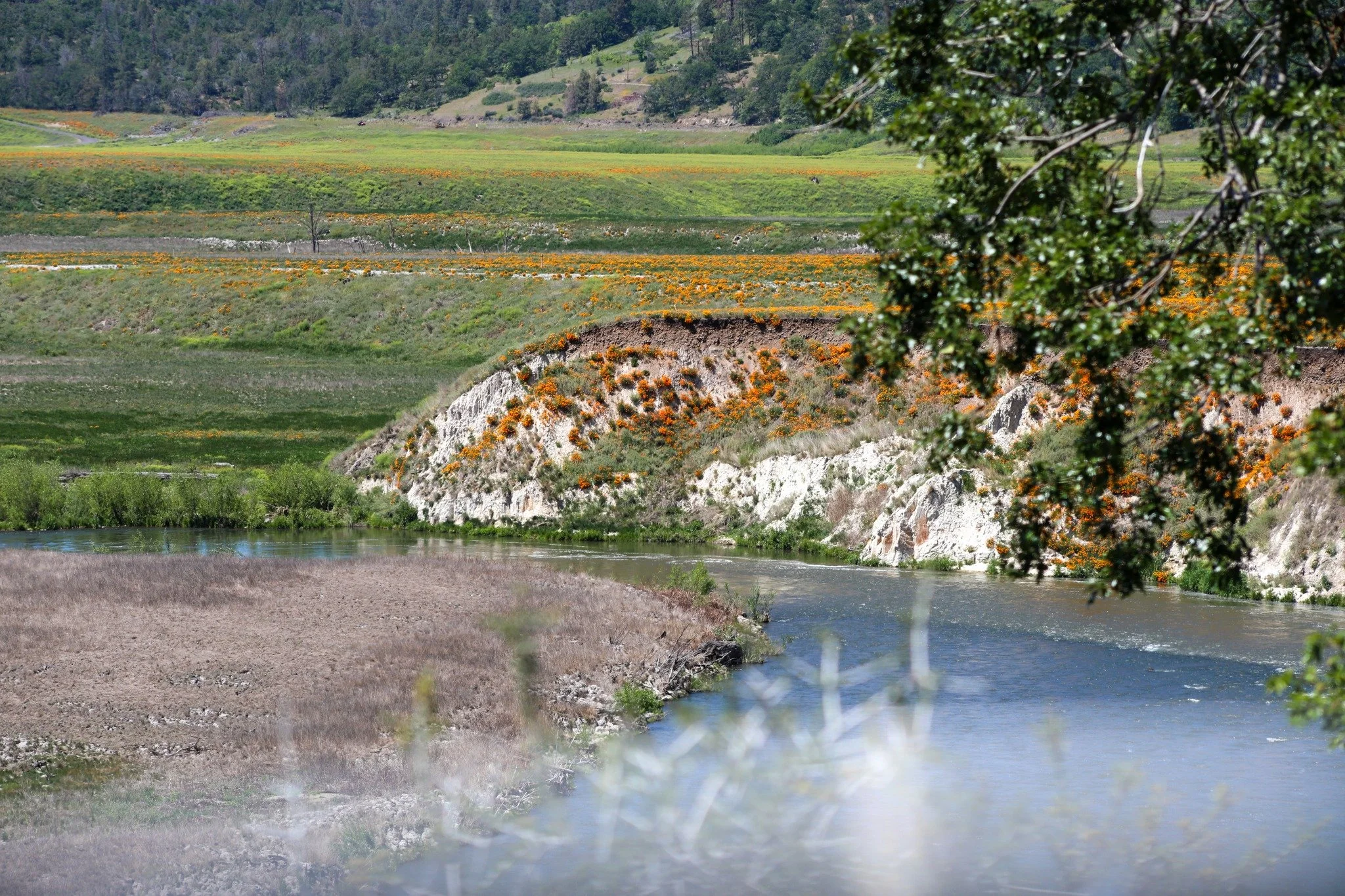
Bright orange wildflowers spread across former reservoir lands along the Klamath River, where native vegetation is returning following dam removal and ongoing restoration work. Photo by the Yurok Tribe.
Bright orange wildflowers cover former reservoir lands along the Klamath River, with homes in the distance that were once lakefront properties before dam removal changed the landscape. Photo by the Yurok Tribe.
Editor’s Note: HiveWire Daily is bringing back a visual storytelling format previously featured by Klamath Falls News as “Photo Story.” Moving forward, these image-driven features will appear under the updated “In Photos” title format while continuing to highlight stories best told through photography.
Cover image: California poppies (Eschscholzia californica) are all over the restoration site and surrounding area. Photo by Yurok Tribe.