The Dairy That Helped Shape the Klamath Basin
From Dutch Roots to Klamath Legacy: The DeHoop Family’s Enduring American Dream
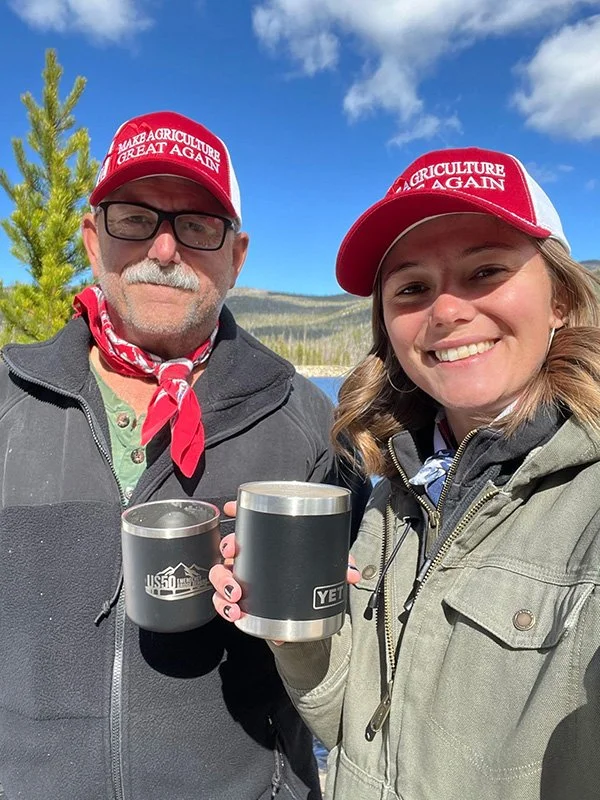
Imagine two teenagers stepping off a ship in 1948, hearts full of hope, chasing the promise of a new world. That’s where the DeHoop story begins—Thys and Rina DeHoop, immigrants from the Netherlands, arriving in America as teens. They married in 1956, and their four children—Helena, Art, Arjen, and Boudewyn—became the first generation born on U.S. soil. This family came to join the American dream, not just find it. They became a cornerstone of the Klamath Basin’s agricultural heartbeat, blazing a trail of community and strengthening the region for everyone.
Fast-forward to 1966: Thys and Rina make their bold move to South Poe Valley. Thys’ signature still graces the registry at the Baldwin Hotel Museum in Klamath Falls, dated around April-May that year, when he scouted the established dairy owned by Wilbur Reiling. (When you are in Klamath Falls, peek at the historic Baldwin Hotel Museum registry details—a nod to Klamath’s pioneering spirit!). They purchased the operation, with Reiling mentoring them through that crucial first year. Starting with just 26 cows, they expanded to 800, relentlessly upgrading buildings and infrastructure from day one.
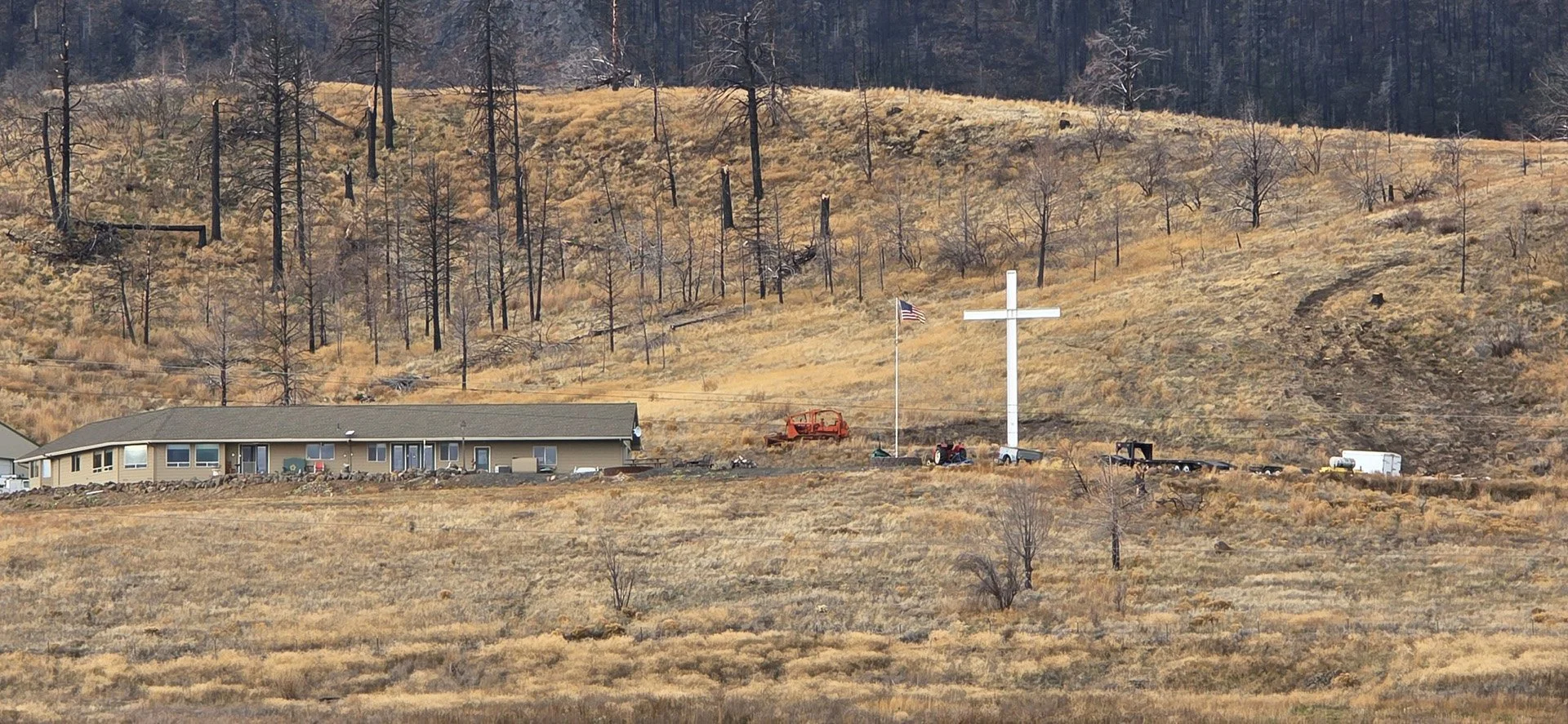
The DeHoops weren’t alone for long—they blazed the trail as the first Dutch dairy farmers in the area. Soon after, Boudewyn’s Uncle Elso DeJong, followed by Bill and Tom DeJong, joined the wave, strengthening the region’s Dutch dairy heritage. Thys ensured American flags flew proudly over the dairy, a daily symbol of gratitude for the American Dream and the freedoms that fueled their success.
(Fun fact: The Klamath Basin’s ag economy, powered by families like these, contributes to Oregon’s food security—Read more in the Oregon Department of Agriculture reports.)
Perched on a hill overlooking their thriving operation, they built a new home. About five years later, they erected a massive cross—anchored with over 30 yards of concrete—a testament to the faith that carried them through the dairy industry’s grind. “More bad years than good,” Boudewyn recalls, yet their belief in God and this land made it the perfect place to raise a family. The Klamath Basin’s fertile soils and water systems (vital to national food security—learn more via USDA’s Klamath Basin overview) provided the foundation.
Today, Thys and Rina have passed on, but their legacy endures. Boudewyn and his wife, Audrey, took the reins, navigating tough markets until retirement. Their son, Garrit, is now running the farm, growing grass hay & alfalfa.
…To understand the legacy Thys and Rina built—and the stakes of the challenges Boudewyn and Audrey faced—is to understand the sheer scale of their contribution.
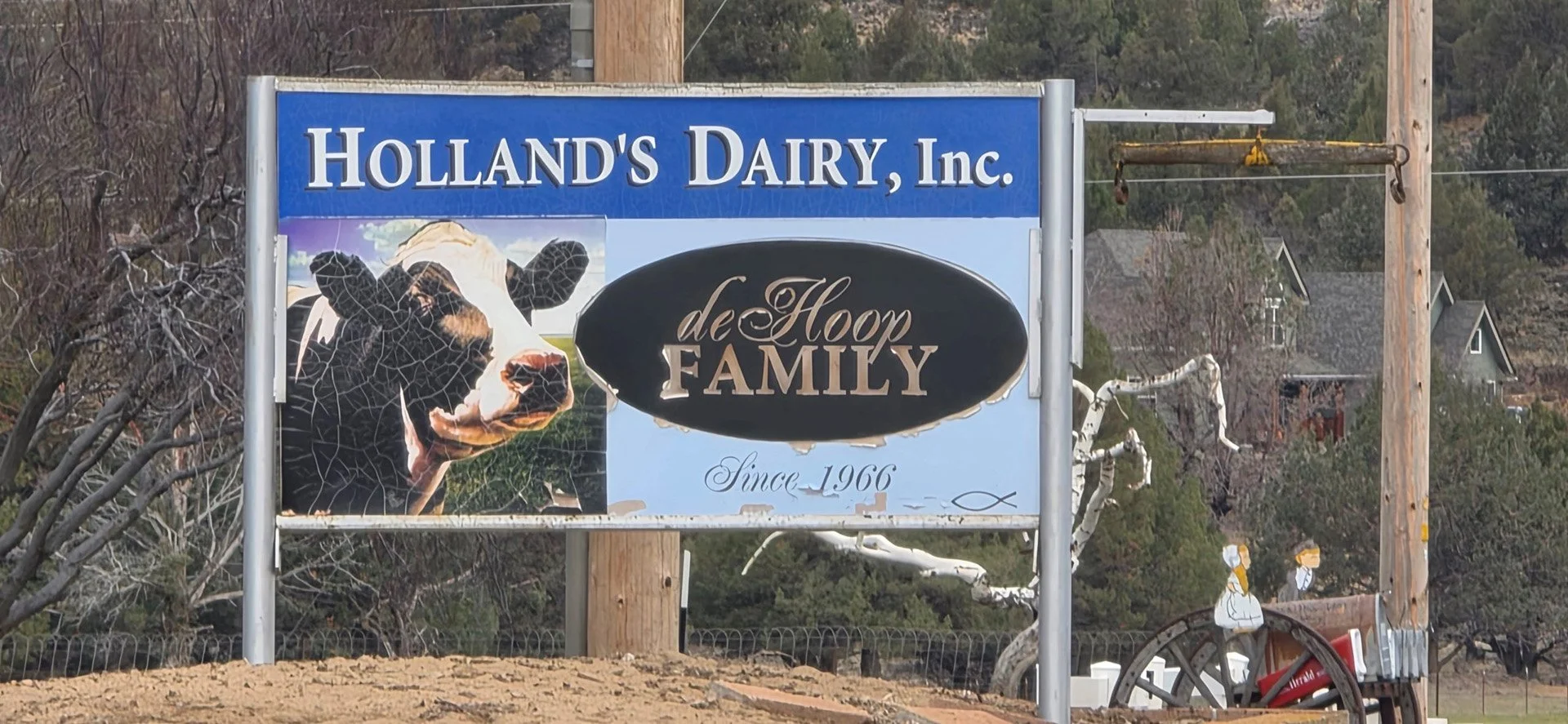
From a Family Farm to a Regional Food Engine
This was never just a small family farm; it was a powerhouse of food security.
At its peak, with 800 cows, the DeHoop dairy was a critical engine of the entire Basin economy. A dairy of that size supports a vast network: it buys millions of dollars in local hay, grain, and silage (supporting dozens of other farm families), and it provides high-skill, year-round jobs for veterinarians, mechanics, nutritionists, and equipment dealers.
But let’s talk about the food. An average dairy cow produces over 8 gallons of milk per day. For the DeHoop dairy, that’s over 6,400 gallons of fresh, nutritious milk… every single day.
That is 2.3 million gallons of milk a year.
That isn’t just a number. It’s the foundation for the cheese, butter, and yogurt that stock grocery store shelves across the nation, not to mention the essential foundation of most pizzas, lasagnas, and queso blanco. The DeHoops weren’t just “contributing” to the food supply; they were a vital, daily pillar of it.
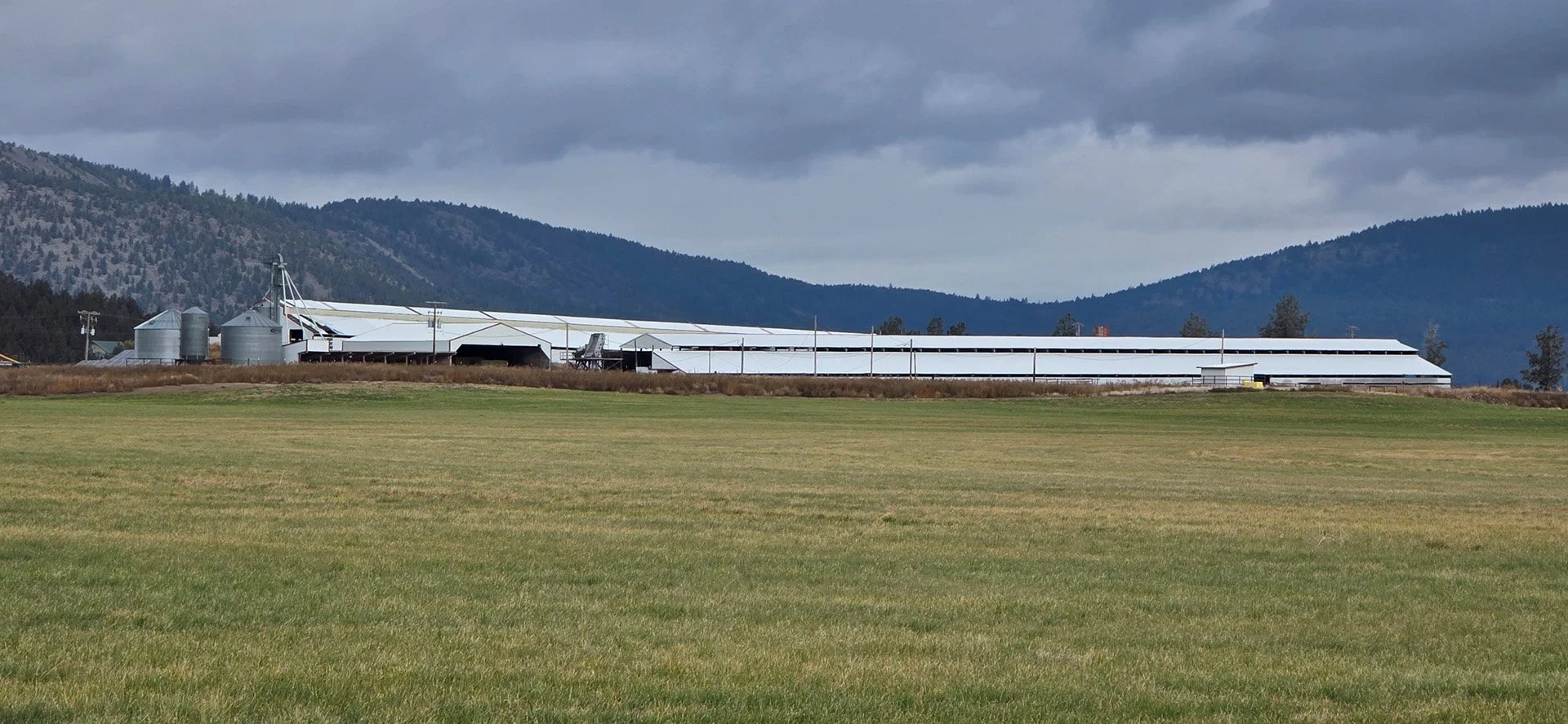
The Perfect Storm: Why Dairies Are Disappearing from the Basin
The retirement of families like the DeHoops and the shift away from dairy isn’t a simple story of markets. It’s a story of a “perfect storm” of crushing pressures, where the Klamath Basin became one of the hardest places in America to be a dairy farmer.
The struggles they faced were a brutal, three-front war:
The Water Crisis: Dairies are uniquely vulnerable. You cannot “fallow” a cow. A milking herd needs a consistent, high-quality feed source 365 days a year. When the Klamath Project delivered zero-allocation years, it meant the water to grow that feed vanished. Farmers were forced to truck in expensive feed from out of state, instantly wiping out any profit.
The Regulatory Squeeze: The DeHoops operated under a “one-two punch” of state and federal regulations. Oregon’s tightening CAFO (Concentrated Animal Feeding Operation) rules demanded complex and costly environmental upgrades. This stacked on top of the water scarcity issues, creating a vice: farmers were being squeezed for the water they used, the water they didn’t have, and the water they discharged.
The Market Collapse: This was the final blow for many of our Klamath cattle producers. As the regulatory and water climate in the Basin grew hostile, the large-scale milk processors—the only buyers for this milk—began to pull out. With local processors gone, a farmer’s only option was to pay to ship their perishable milk hundreds of miles over mountains to plants in the Willamette Valley. That transportation cost ate the last pennies of an already razor-thin margin, making the business itself fundamentally unviable.
The DeHoop family’s story is the story of the American Dream, but it is also a critical warning. They built an empire of resilience, faith, and production, feeding a nation from the fertile soils of the Klamath Basin.
But when the systems that support our food producers—water infrastructure, fair markets, and common-sense regulations—are broken, even the most resilient families are forced to make an impossible choice. Their pivot from milk to hay wasn’t a failure; it was a smart, adaptive business decision. But for the nation’s food security, it represents a loss that is becoming all too common.
The DeHoops remind us: Agriculture isn’t just farming—it’s the economic foundation of the Klamath Basin, tying directly to food security and national security. One family’s grit turned 26 cows into a multi-generational empire, flying flags high and faith higher—adapting through policy headwinds to keep the soil productive.
Article and photos courtesy, Gene Souza, Klamath Irrigation District.