Walker Point Meadow Project Thrives With Native Pollinators
Partnership effort near Veneta sees strong second-year results in restored habitat
VENETA, Ore. — A coordinated volunteer effort earlier this year has helped the Walker Point meadow restoration project continue to thrive, with monitoring showing strong returns of native pollinators and wildlife.
Volunteers and staff from the Oregon Hunters Association – Emerald Valley Chapter, the Oregon Department of Fish and Wildlife (ODFW), and the Oregon Department of Forestry (ODF) gathered at the four-acre meadow to remove invasive species such as foxglove and thistle. The invasive removal work, done entirely by hand, helps reduce competition with native pollinator plants seeded the previous year.
A group of volunteers pull out invasive foxglove from the Walker Point meadow habitat project site. The volunteers from the Oregon Hunters Association – Emerald Valley Chapter, Oregon Department of Fish and Wildlife, and Oregon Department of Forestry worked to keep native pollinator plants thriving at the meadow. (ODF)
“This is the second year for the meadow, and our summertime pollinator monitoring found the restored meadow was buzzing with native pollinators including five bumble bee species, as well as numerous butterfly and other various bee and insect species,” said Randy Smith, ODF State Forests Wildlife Biologist.
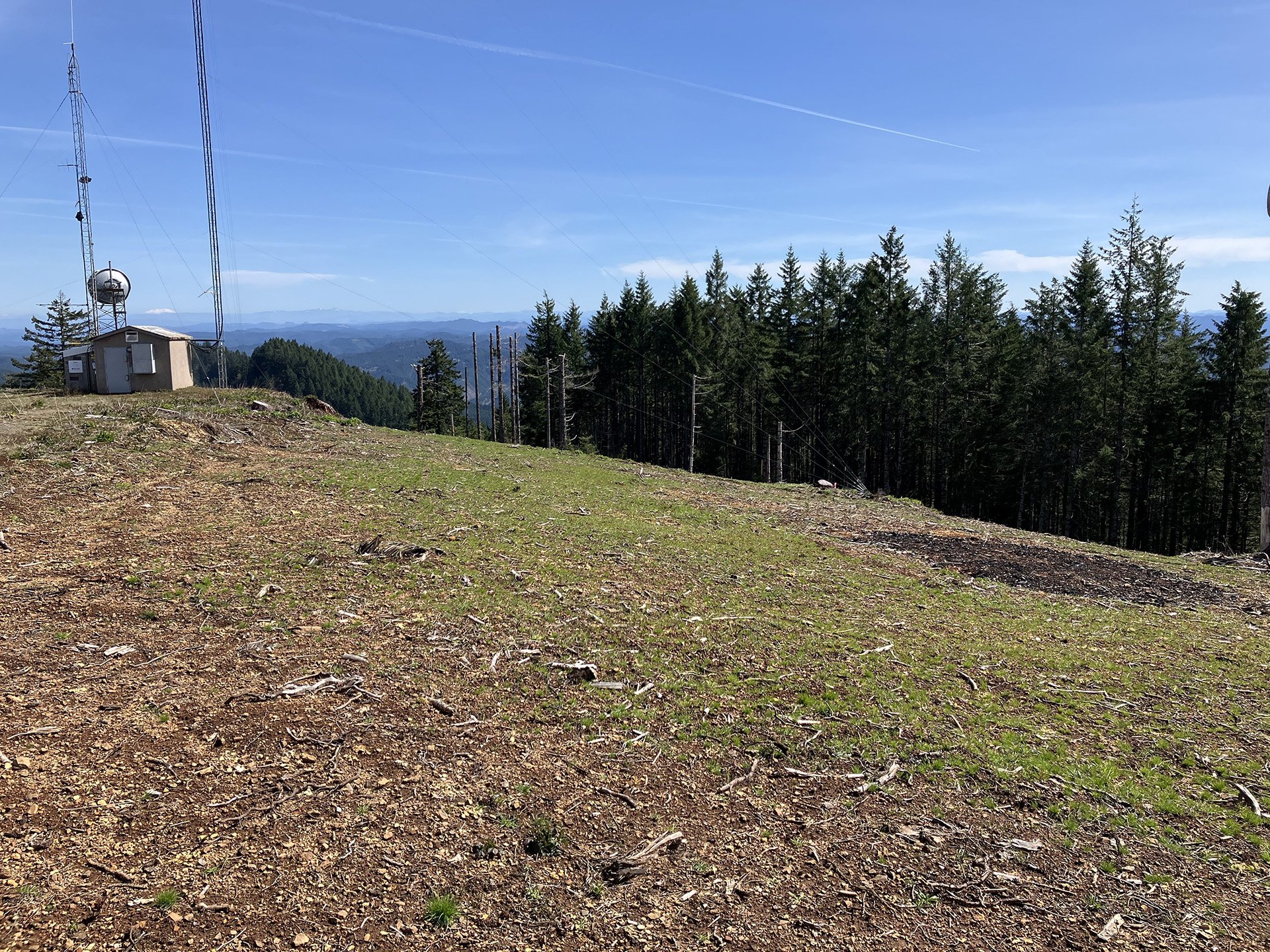
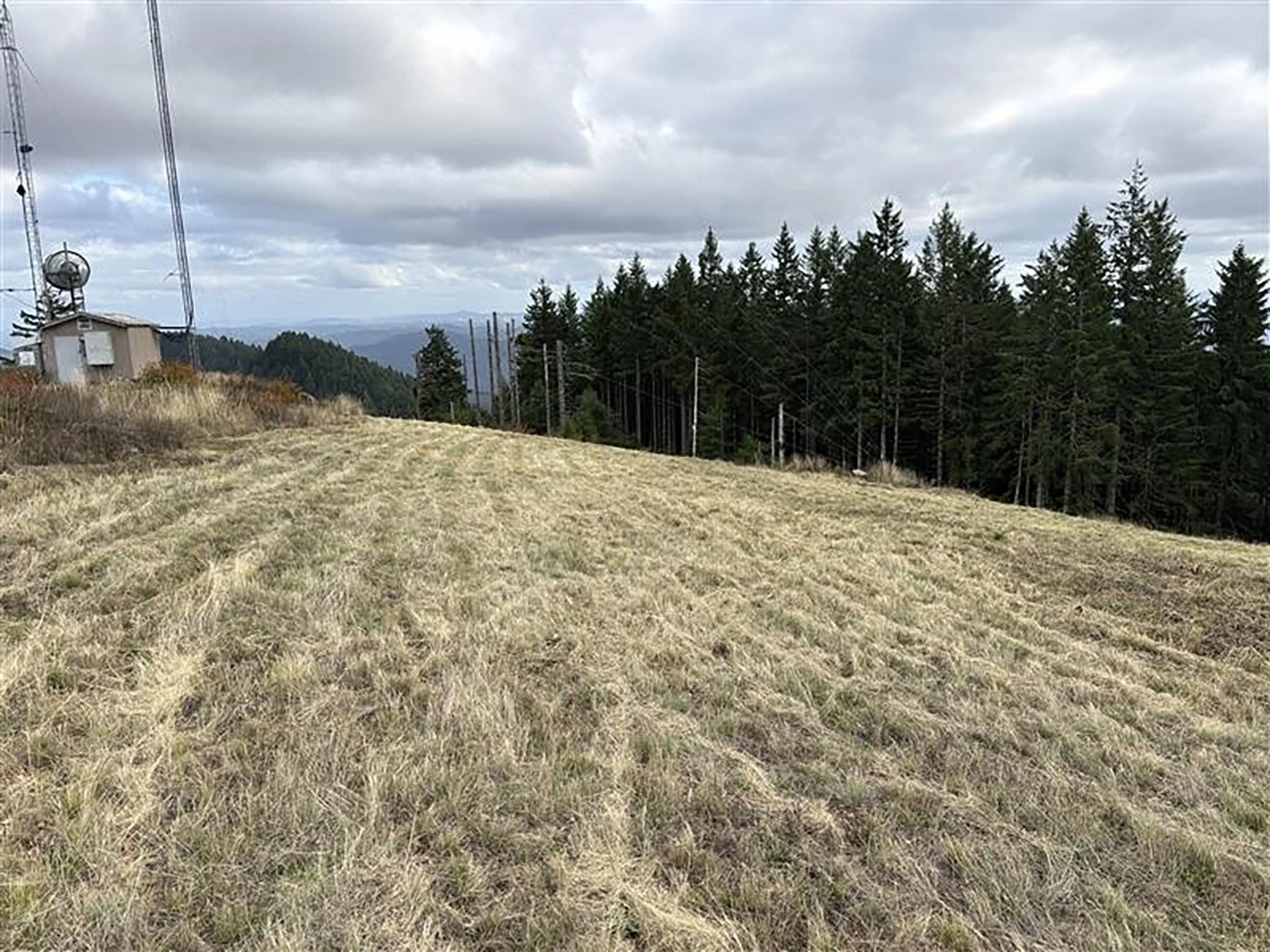
Located about 13 miles west of Veneta at 2,300 feet atop Walker Point, the site includes communication towers and an ODF smoke detection camera. Following the 2020 wildfires, ODF conducted a timber sale to reduce fire risk and prevent potential damage to infrastructure. At the same time, ODFW was seeking an upland meadow site. Working together, the two agencies prepared the area by removing stumps, leveling the terrain, and replanting native species with the support of grant funding.
The restored meadow is already benefiting a wide range of wildlife.
“Donated nest boxes installed the first year successfully fledged violet-green swallows, and ODFW Conservation Strategy Species including western bluebirds and purple martins this nesting season,” Smith said. The meadow also provides forage for deer, elk, and various small mammals.
The Oregon Hunters Association – Emerald Valley Chapter played a key role in the recent work party.
“Four acres doesn’t sound like a big area until you start pulling those weeds,” Smith added. “They were key in providing enough people to get those invasive plants out.”
After the bloom season ended, ODFW mowed much of the meadow to support native plant growth, improve wildlife forage, and further reduce invasive plant pressure.
“Our goal is to keep this going for years to provide unique habitat and long-term research on species of interest,” Smith said. “A huge thank you to our partners for continuing work to maintain a unique habitat feature in the Coast Range.”
More information about ongoing conservation efforts can be found on the State Forests “Conservation and Restoration” page, ODFW’s Wildlife Division website, and the Oregon Hunters Association – Emerald Valley Chapter’s Facebook page.
Cover image: ODF