Salmon Poached in Klamath Basin
Illegal salmon take results in the first criminal case since Klamath River dam removal and the historic return of salmon to the basin
KLAMATH FALLS, Ore. — Oregon State Police Fish and Wildlife troopers have issued a criminal citation in what officials say is the first illegal salmon harvest case since the removal of dams on the Klamath River.
According to information released in the Oregon State Police Fish and Wildlife October newsletter, a Klamath Falls–based trooper was contacted by the Oregon Department of Fish and Wildlife regarding the report of an individual actively angling in Spencer Creek.
ODFW provided photographs showing what authorities determined to be the unlawful take of Chinook salmon.
The individual had left the area before the trooper arrived, but witnesses were able to supply vehicle information, including a license plate number. The vehicle was later located traveling on Highway 66 and stopped by law enforcement.
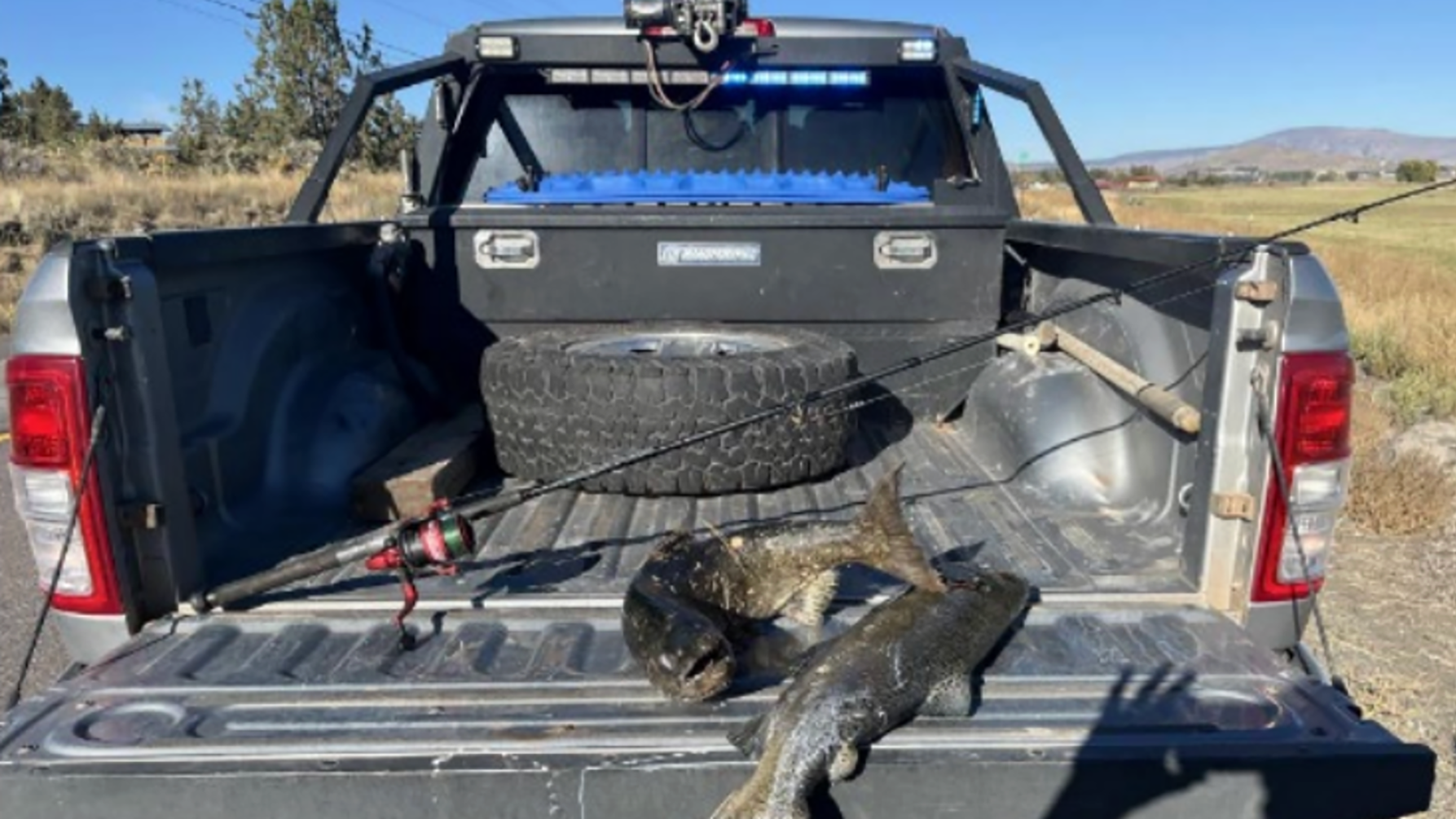
Two poached Klamath River salmon along with a rod/reel recovered by OSP Fish & Wildlife. (Oregon State Police)
OSP reported that the passenger admitted to fishing in Spencer Creek and told troopers he believed enforcement officers would not be working due to the federal government shutdown. The individual surrendered two Chinook salmon, along with his rod and reel, and was criminally cited for the violation.
At ODFW’s request, the seized fish were transferred to the agency.
The driver of the vehicle was issued a warning for aiding in the unlawful activity.
Fish and wildlife officials emphasized the broader significance of the case, noting it is the first criminal salmon enforcement action following the return of salmon to the Klamath Basin after decades of blocked passage caused by hydroelectric dams.
The dam removals reopened hundreds of miles of historic habitat and are considered one of the largest river restoration efforts in U.S. history.
Authorities remind anglers that fishing regulations remain in effect regardless of federal shutdowns and that newly reopened or recovering waterways are subject to heightened monitoring to protect returning fish populations during this critical period.