Missing Man Identified After More Than 50 Years
Josephine County Case Brings Long-Awaited Answers for Family

JOSEPHINE COUNTY, Ore. — Human remains discovered in Josephine County nearly five decades ago have been identified as a man who disappeared in 1974, bringing long-awaited answers to his family after more than 50 years.
The Oregon State Medical Examiner’s Office confirmed the remains belong to Mark Smith, who left his home in Billings, Montana, to travel in 1974 at age 19 and was never heard from again. His last known photograph was taken at his sister’s wedding in September 1973.
On May 9, 1978, a logging crew discovered partial skeletal remains near Holcomb Peak in the Williams area. Only a skull and a fragment of a scapula were recovered, along with pieces of clothing including part of a shirt and remnants of a brown sweater. Despite investigative efforts at the time, the individual could not be identified.
Early examinations by a forensic pathologist and odontologist suggested the remains may have belonged to a female between the ages of 16 and 18, which complicated the investigation and contributed to the case remaining unresolved for decades.

In 2020, the Oregon State Medical Examiner’s Office submitted the remains to the University of North Texas for DNA extraction and analysis. Although there was insufficient nuclear DNA to generate a CODIS profile, testing confirmed the decedent was male, prompting investigators to reopen the case and search for missing male matches.
That same year, the Human Identification Program partnered with DNA Labs International to pursue forensic genetic genealogy. Initial attempts were unsuccessful, but the lab agreed to continue working the case pro bono.
During the investigation, the National Center for Missing & Exploited Children assisted by commissioning a forensic facial reconstruction in hopes of generating new leads. Despite these efforts, no identification was made at the time.
Between 2023 and 2024, genealogical leads began to emerge, including ancestry indicators suggesting North Atlantic, Baltic, and Western Mediterranean heritage. Researchers traced distant lineage but were unable to identify the individual.
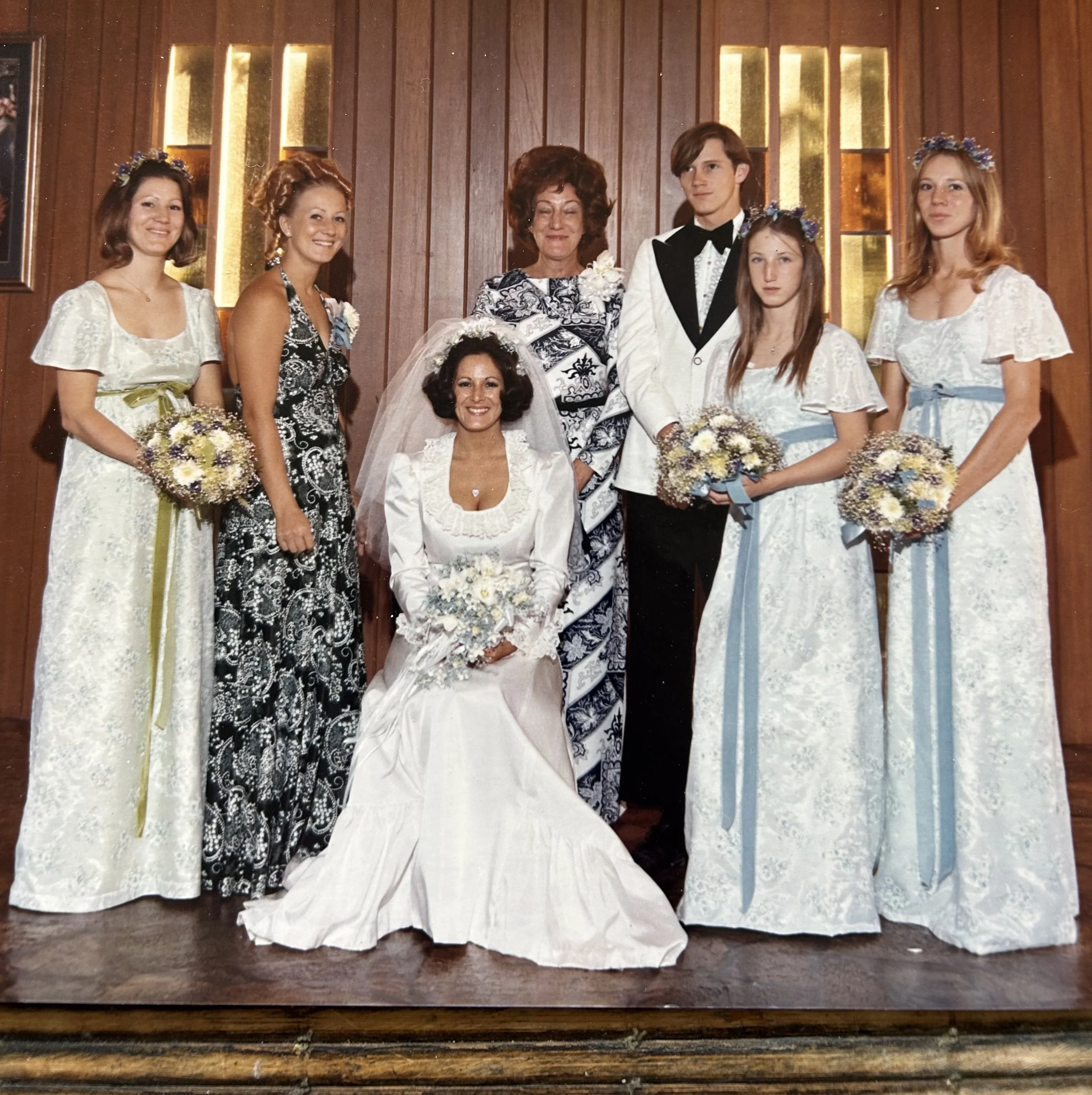
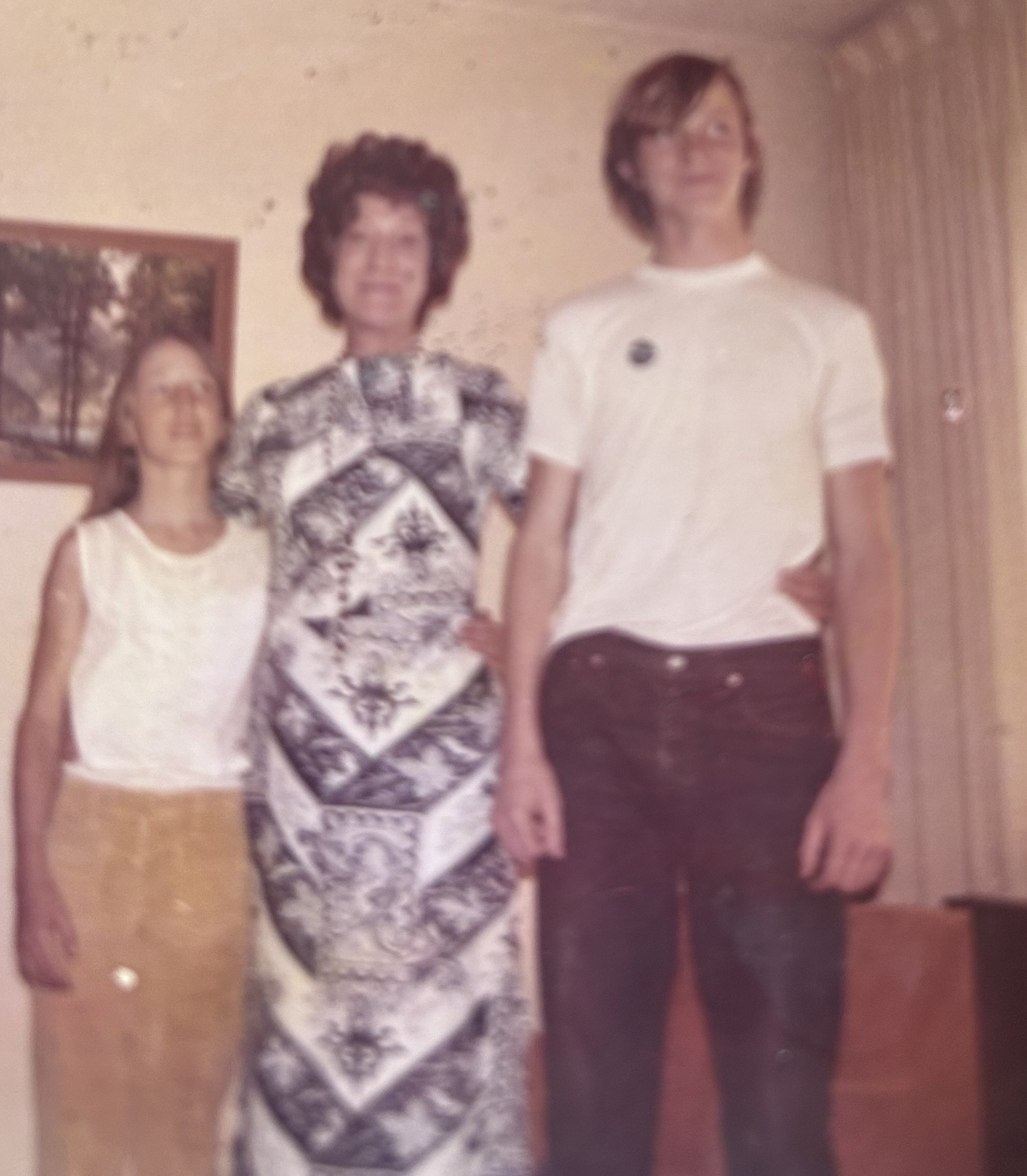
In September 2025, investigators revisited the case and discovered a newly uploaded DNA profile that allowed genealogists to expand a previously incomplete family tree. This led to a family with several siblings, one of whom had disappeared from records in the mid-1970s.
Investigators contacted the family, who confirmed their brother, Mark Smith, born October 4, 1954, had been missing since 1974. Buccal swabs were collected from Smith’s siblings, and additional testing was conducted.
On February 25, 2026, DNA Labs International confirmed a sibling-level match between the family reference samples and the remains, allowing the Oregon State Medical Examiner’s Office to formally identify the remains as those of Smith. His family was notified shortly after the confirmation.
Officials say no evidence has been found to suggest foul play, though the investigation into the circumstances surrounding Smith’s death remains open. The family has requested privacy.
“We are grateful that Mark has finally been returned to his family,” said State Forensic Anthropologist Hailey Collord-Stalder. “This identification reflects years of persistence, scientific collaboration, and the evolving power of forensic genetic genealogy.”


Recent News