New Aircraft Boosts Oregon Wildfire Response Capabilities
Multi-Mission Plane Adds Night Detection and AI Mapping

PRINEVILLE, Ore. — The Oregon Department of Forestry is expanding its wildfire detection and emergency response capabilities with the addition of a new multi-mission aircraft designed to improve situational awareness and response across the state.
Officials say the $13.23 million investment includes $12 million in legislatively approved bonds and $1.23 million from additional funding sources. The aircraft itself costs $7.8 million, with another $5.4 million dedicated to advanced sensing technology and mission systems.
The new aircraft is based on a Twin Otter airframe and replaces ODF’s long-serving Partenavia P.68 Observer aircraft, which is retiring after more than 30 years of service.
Equipped with artificial intelligence-enabled wide-area mapping, high-definition thermal imaging, augmented reality mapping software, and night-operations capability, the aircraft is designed to detect emerging incidents more quickly and track fire behavior in real time.
During wildfire detection missions, crews monitor lightning activity and weather conditions, then deploy the aircraft to scan affected areas. Using onboard sensors and night vision goggles, crews can detect new fire starts — often before they are visible to the public — and relay information to dispatch centers for rapid response.

Officials say the aircraft’s night-vision capability is a key advancement, allowing crews to identify subtle visual cues such as the flicker of new fires during overnight operations.
Beyond wildfire response, the aircraft will support all-hazards missions including floods, severe storms, search and rescue operations, and disaster damage assessments. The platform can also transport personnel and equipment and provide real-time situational awareness for incident managers.
The aircraft will generate live-streamed video, georeferenced imagery, mapping data, and other intelligence products that can be shared across agencies to support decision-making.
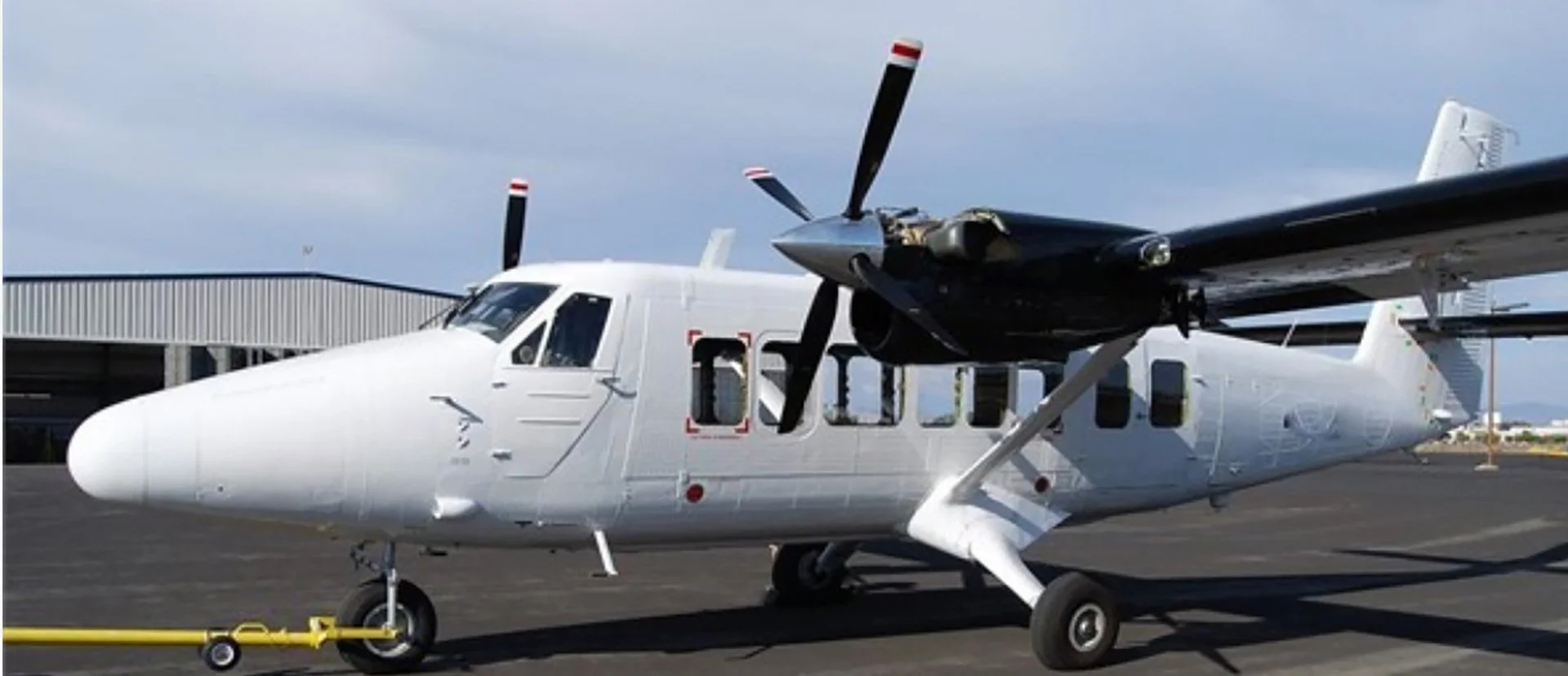
The multi-mission aircraft will be based at Prineville Airport, allowing crews to reach all areas of the state quickly. Officials noted lightning activity is often more frequent in eastern and southern Oregon, making central Oregon a strategic location.
The aircraft is currently undergoing final integration and testing in California. Once delivered, pilots and aerial observers will complete several weeks of training before the system becomes fully operational for the upcoming fire season.
Officials say the investment is intended to help Oregon respond to increasingly complex wildfire seasons while improving coordination during emergencies statewide.


Recent News